AKIBA LOST guide: Spoiler-Free Tips and Resources
Use this AKIBA LOST guide for spoiler-free investigation tips, community guide advice, and the official rules for streaming and sharing gameplay.
Start Here: Protect the Mystery Before You Search
One careless walkthrough search can reveal the mystery you were trying to solve. This AKIBA LOST guide helps you find useful assistance without exposing major story developments. Use this AKIBA LOST guide to organize your investigation, evaluate community resources, and understand what gameplay you can share publicly.
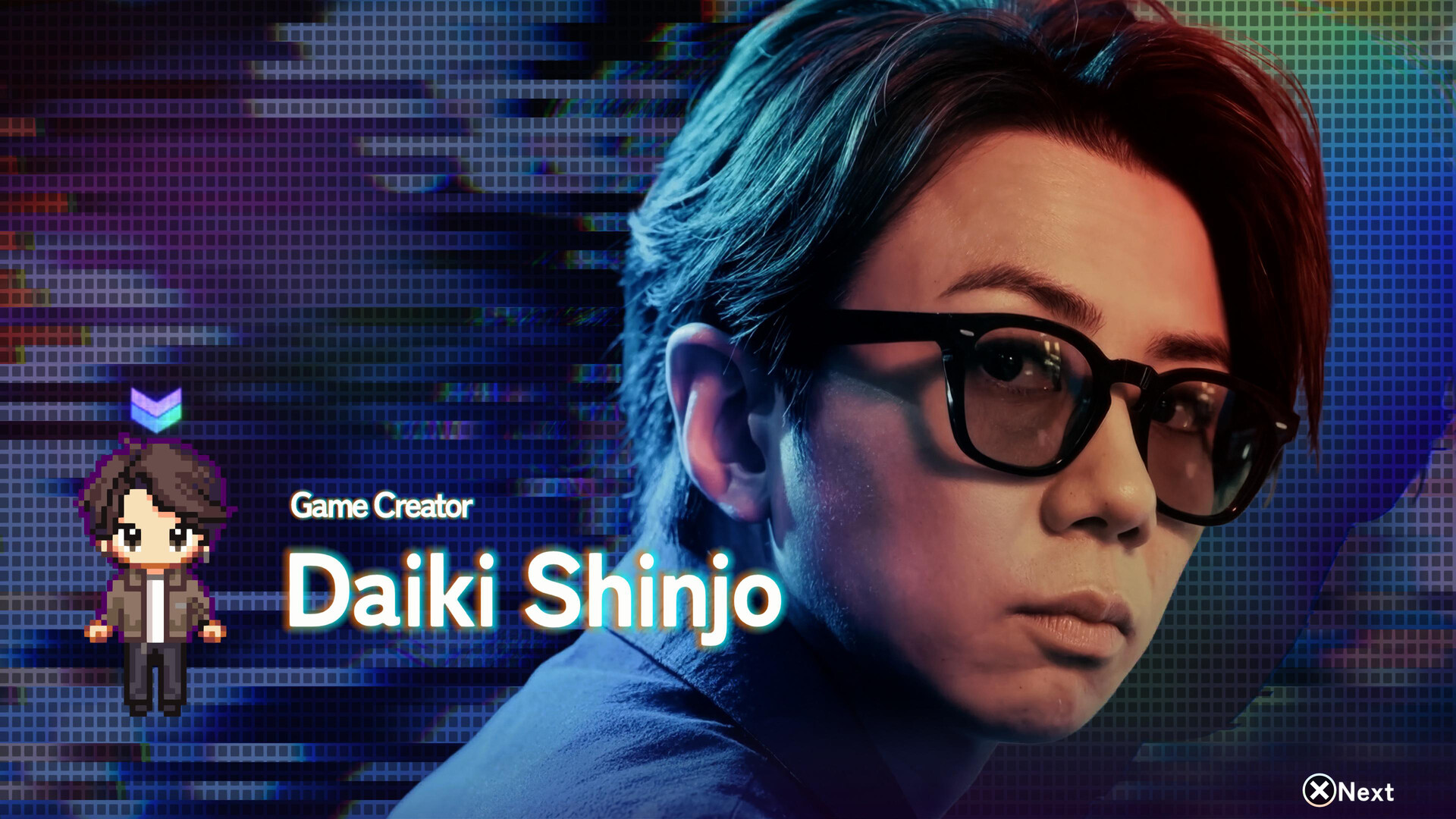
Official screenshot · Source: Steam store
AKIBA LOST is a live-action adventure game centered on discovering its story and unraveling mysteries. That makes selective help more valuable than reading a complete solution before you know which part you need.
Scope note: The available references establish the game’s premise, a Steam community guide listing, and official content-sharing rules. They do not provide verified puzzle solutions, branching requirements, achievement conditions, or ending routes. The investigation methods below are practical recommendations—not claims about confirmed game mechanics.
| What you need | What this guide provides | What is not verified here |
|---|---|---|
| First-playthrough advice | Spoiler-conscious habits and note-taking methods | Specific dialogue answers |
| Help with a confusing detail | A step-by-step way to narrow your question | Puzzle solutions |
| Community walkthroughs | Advice for evaluating guide listings | Complete route coverage |
| Achievement assistance | A cautious approach to researching requirements | Unlock conditions or missables |
| Streaming guidance | A summary of the official publication boundaries | Permission beyond those boundaries |
The best starting point is simple: play until you have a specific question. “What did that character say about the timing?” is easier to research safely than “What happens in AKIBA LOST?”
AKIBA LOST Guide to Spoiler-Free Investigation
Treat your first playthrough as an investigation rather than a completion checklist. Your immediate goal is to understand what the game has presented, not to anticipate every possible outcome.
Separate facts from interpretations
Mystery stories encourage you to connect incomplete information. That is part of the appeal, but it also makes an early assumption easy to mistake for established evidence.
Keep three kinds of notes:
- Observed information: Something directly shown or stated.
- Interpretation: What you currently think that information means.
- Open question: Something you still need explained.
For example, “A character mentioned a meeting” records a statement. “That meeting explains the disappearance” is a theory. Keeping those separate makes it easier to revise your thinking without losing the original detail.
| Note type | What to record | Why it helps |
|---|---|---|
| Character | Name, stated connection, relevant remark | Reduces confusion between people |
| Time reference | A date, time, or sequence explicitly mentioned | Helps compare accounts |
| Location | A place named or shown | Keeps related information together |
| Unresolved detail | The exact point you do not understand | Creates a focused help request |
| Theory | Your interpretation and its supporting evidence | Makes assumptions easier to spot |
This table is a suggested personal notebook format, not a description of an in-game journal.
Use a short recap between sessions
Before stopping, write a three-line recap:
- What did I learn?
- What remains unclear?
- What should I pay attention to next?
This takes less effort than reconstructing your entire train of thought later. It also helps you resume without opening a walkthrough simply because you forgot a name or conversation.
Look for contradictions before looking for answers
When two details appear inconsistent, write both down before deciding which is correct. Ask whether the difference concerns timing, perspective, wording, or something genuinely unexplained.
Do not assume every discrepancy is a puzzle or deliberate clue. The purpose is to sharpen your question, not manufacture a solution.
Throughout this AKIBA LOST guide, the same principle applies: request the smallest amount of help that lets you continue thinking for yourself.
Finding Community Help Without Spoiling Your Playthrough
The supplied Steam listing shows an AKIBA LOST community guides hub and a player-created entry titled “全tips.” However, the reference does not include that guide’s full contents.
Community reports: The listing establishes that a player-authored tips resource is available. It does not establish that the resource is complete, spoiler-free, accurate, or suitable for your current progress.
You can inspect available resources through the AKIBA LOST Steam community guides hub. Check the title, language, introduction, and spoiler warnings before reading further.
Choose the narrowest useful resource
A broad walkthrough may answer your question, but it may also reveal several things you did not want to know.
| Your situation | Best first step | Spoiler risk to consider |
|---|---|---|
| You forgot a name | Check your own notes first | A character page may reveal later significance |
| A statement seems contradictory | Write down both statements precisely | A story explanation may disclose the resolution |
| You want help at your current point | Look for clearly labeled progress boundaries | A general walkthrough may jump ahead |
| You want achievement advice | Check whether hidden details are exposed | Names or descriptions may reveal developments |
| You want comprehensive tips | Read the guide’s introduction before scrolling | “Complete” does not mean spoiler-safe |
A useful guide explains its scope early. Ideally, it tells you what progress it covers, whether it includes story spoilers, and whether its recommendations are tested or speculative.
Do not infer game features from Steam’s category filters. Labels such as crafting, co-op, weapons, and multiplayer appear in the supplied guide-page interface, but that interface is not evidence that AKIBA LOST contains those systems.
Ask questions that preserve your experience
Instead of asking, “What is the solution?” try:
“I have reached this point and am confused about this specific detail. Can someone give me a hint without discussing later events?”
Include only the context necessary to explain the problem. Avoid publishing sensitive screenshots just to make a question easier to understand.
For this AKIBA LOST guide, no achievement route or completion order is presented as verified. If a community author makes those claims, look for clear requirements and supporting explanations before relying on them.
Streaming and Sharing: Know the Day 6 Boundary
The most concrete guidance in the available sources concerns publishing gameplay. According to the official AKIBA LOST streaming and posting guidelines, the main game may be streamed and posted through Day 6, subject to the other rules.
Day 7 onward falls outside the permitted publication scope. The supplied guidelines say no date has been announced for lifting that restriction. Check the current official page before publishing, because the policy may change.
The official page identifies September 17, 2026, as the release date from which full-game streaming and video posting became permitted within the stated limits. Before release, permission was limited to the demo.
| Material or activity | Position in the supplied guidelines | Practical action |
|---|---|---|
| Main-game content through Day 6 | Permitted within the rules | Add creative input and spoiler warnings |
| Main-game content from Day 7 onward | Outside the permitted scope | Do not publish footage or screenshots |
| Main TV drama offered as DLC | Footage and images are restricted | Do not treat it as ordinary gameplay content |
| Drama portions appearing within gameplay | An exception is described | Keep use within otherwise permitted gameplay |
| Raw footage or audio without creative input | Not permitted | Include commentary, analysis, or meaningful editing |
| Extracted music, images, or footage | Standalone redistribution is prohibited | Do not upload separate asset collections |
Spoiler warnings do not expand permission
A spoiler warning is useful, but it does not authorize restricted footage. Likewise, commentary does not make Day 7 material permissible.
For permitted content, place warnings where viewers will see them before encountering the reveal:
- At the beginning of the post or video.
- In the description.
- In the title when appropriate.
- Before a spoiler-heavy segment.
Keep major revelations out of thumbnails. The official guidance specifically emphasizes protecting the mystery and significant character secrets.
Monetization and performer rights still matter
The guidelines permit standard platform monetization within their stated scope, including features that do not require payment to view the content itself. That is not blanket permission for every commercial use.
The policy also prohibits unauthorized merchandise and selling or redistributing extracted game assets. Music heard during otherwise permitted gameplay is treated differently from uploading the soundtrack on its own.
Because AKIBA LOST features live-action performers, distinguish criticism of a character from attacks on the actor. Respect cast members’ likeness, dignity, reputation, and privacy.
This AKIBA LOST guide summarizes the supplied policy; the current official text should govern your publishing decisions.
A Practical Play-and-Research Routine
You do not need an elaborate system to follow a mystery effectively. A short, repeatable routine can keep your attention on the story while reducing unnecessary searches.
Before you play
Decide how much outside information you want. A first-time player may prefer hints only, while someone returning after finishing may want broader discussion.
Create one note labeled “Current progress” so you can describe your position accurately when seeking help. Avoid assuming that every guide uses the same progress labels.
When you get confused
Use this sequence before opening a broad walkthrough:
- State the problem in one sentence. Identify the confusing detail rather than labeling the entire story confusing.
- Review what you actually know. Separate explicit information from your assumptions.
- Check your notes for names and timing. A forgotten reference may be the issue.
- Seek one bounded hint. Specify that you do not want later-story information.
- Stop reading once the question is answered. Additional explanation may introduce spoilers.
This routine does not guarantee a solution. Its value is limiting how much unrelated information you encounter.
Before you post
Review your material separately from your gameplay notes. Something useful for your private investigation may be inappropriate to publish.
Confirm that your post stays within the permitted progress boundary, contains the required creative contribution for video content, and does not expose major developments in its title or preview image. The guidelines also recommend identifying AKIBA LOST in gameplay video titles and providing official links in descriptions.
The takeaway from this AKIBA LOST guide is to keep three activities separate: playing, researching, and publishing. Each needs a different level of spoiler awareness.
AKIBA LOST Guide FAQ
Is this AKIBA LOST guide a complete walkthrough?
No. It provides spoiler-conscious investigation advice, community-resource guidance, and a summary of official sharing rules. The supplied sources do not establish puzzle answers, ending requirements, dialogue routes, or achievement conditions.
Where can I find player-created AKIBA LOST tips?
The Steam community guides hub lists player-created resources, including an entry titled “全tips.” Treat these as community reports rather than official instructions. Check each resource’s language, spoiler boundaries, and stated coverage before relying on it.
Can I stream or upload gameplay after Day 6?
Not under the supplied official guidelines. Day 7 onward is outside the permitted publication scope, including footage and screenshots. The referenced policy provides no date for lifting that restriction, so check the official page for updates before posting.
Can I upload an AKIBA LOST video without commentary?
The guidelines prohibit simply broadcasting game footage or audio without creative input. Commentary, remarks, analysis, or meaningful editing are examples of the contribution the policy describes. Creative input does not override the Day 7 restriction or other publication limits.
Related Guides
AKIBA LOST demo gameplay: A Beginner's Guide
Explore AKIBA LOST demo gameplay, character switching, branching choices, 360° views, save transfer, and spoiler-light tips for your first run.
AKIBA LOST demo Guide: Content, Saves, and Tips
Explore the AKIBA LOST demo's Day 1 cutoff, character switching, save transfer, and beginner tips before continuing into the full mystery.
AKIBA LOST ending scenes: Routes and Finale Guide
Understand AKIBA LOST ending scenes, recover from bad ends, clear frozen routes, and learn what reviews confirm about the true ending.
AKIBA LOST metacritic: Score and Review Breakdown
AKIBA LOST has an 81 Metascore from four reviews. Explore its strengths, pacing issues, user score status, and who should play it.
AKIBA LOST for Nintendo Switch: Buyer's Guide
Explore AKIBA LOST for Nintendo Switch, including its price, file size, branching story, gameplay systems, and tips before you buy.